


We are excited to bring the world of film to Kilimanjaro. Screenings, panel discussions, exhibitions, side events and workshops are the hallmark of the festival
Film festivals play an important role in bringing communities together through shared cultural experiences. In Tanzania, festivals have often served as spaces where audiences, filmmakers, and cultural workers meet, exchange ideas, and celebrate storytelling. At the same time, there is a growing conversation about how these gatherings can also contribute to the long-term economic development of the local film sector. This panel explores how film festivals can support both cultural exchange and financial sustainability for filmmakers. Participants will discuss how festivals can help connect creators with new audiences, partners, and opportunities for distribution and investment. The discussion will reflect on practical ways festivals can strengthen Tanzania’s film ecosystem while continuing to nurture community engagement and creative expression
Film has the power to inspire reflection and spark conversations about important global challenges. Environmental protection and climate change are among the most pressing issues affecting communities across the world, including many parts of Africa. This panel explores how filmmakers and storytellers can contribute to environmental awareness and encourage thoughtful dialogue about sustainability and climate responsibility. Participants will reflect on how films can highlight environmental stories, local knowledge, and community experiences connected to nature and conservation.
The discussion will also consider how creative storytelling can make complex environmental issues accessible and engaging for audiences. By exploring these themes, the panel aims to highlight the potential of film as a tool for education, advocacy, and collective reflection on our shared environment
Understanding Licensing and Regulation in the Industry: Regulation and licensing play an important role in shaping the development of national film industries. In Tanzania, policies and regulatory frameworks help organize production, distribution, and exhibition while supporting professional standards within the sector. This panel invites filmmakers, policymakers, and industry professionals to explore how regulation can both guide and support the growth of creative industries. The discussion will look at how licensing systems function, what opportunities they create for filmmakers, and how they can adapt to a rapidly changing media landscape. Participants will also reflect on how policy frameworks can encourage innovation while maintaining professional accountability. The goal of the conversation is to promote constructive dialogue about how regulations can contribute to a thriving and inclusive film industry.
Film has long played a role in shaping how societies understand identity, culture, and gender. Over time, the portrayal of women in cinema has evolved, reflecting social changes and new perspectives. This panel explores how contemporary films contribute to shaping the image of the modern woman and how these representations influence public perception. Participants will examine how female characters are written, the diversity of stories being told, and the growing presence of women both in front of and behind the camera. The discussion will also consider how filmmakers can continue to create thoughtful and balanced portrayals of women’s experiences. By reflecting on these narratives, the panel aims to highlight the role of cinema in expanding conversations about gender, identity, and social change.
Mkulima Market supports small farmers, fishers, and livestock keepers in marketing their quality products by incorporating creativity. Since its establishment, Mkulima Market has supported various agricultural producers in reaching markets through open markets, outreach programs, branding, value addition, market information sharing, and updates, among other initiatives. The main goal of the Mkulima Market is to strengthen existing market avenues and open new ones for Tanzanian agricultural products, both within the country and internationally
Sanaa Soko is a temporary retail event where vendors set up booths and stalls to sell their products and services from the creative sector, including handmade crafts, fashion accessories, jewelry, paintings, décor, clothing, etc. The essence of the market is to support children in need through SOS Children’s Villages Tanzania, helping them live a comfortable life under the “Lights, Camera, Hope!” Campaign.
Mwananchi Soko is a bustling marketplace that provides a diverse range of goods and services to the local community. From fresh produce and handmade crafts to clothing and household items, Mwananchi Soko has something for everyone. The market is well-known for its welcoming vendors and lively atmosphere, making it a sought-after destination for both locals and tourists. Vendors offering goods and services are encouraged to join the soko. Whether you are looking for a special gift or just want to immerse yourself in the local culture, Mwananchi Soko is always the place to be.

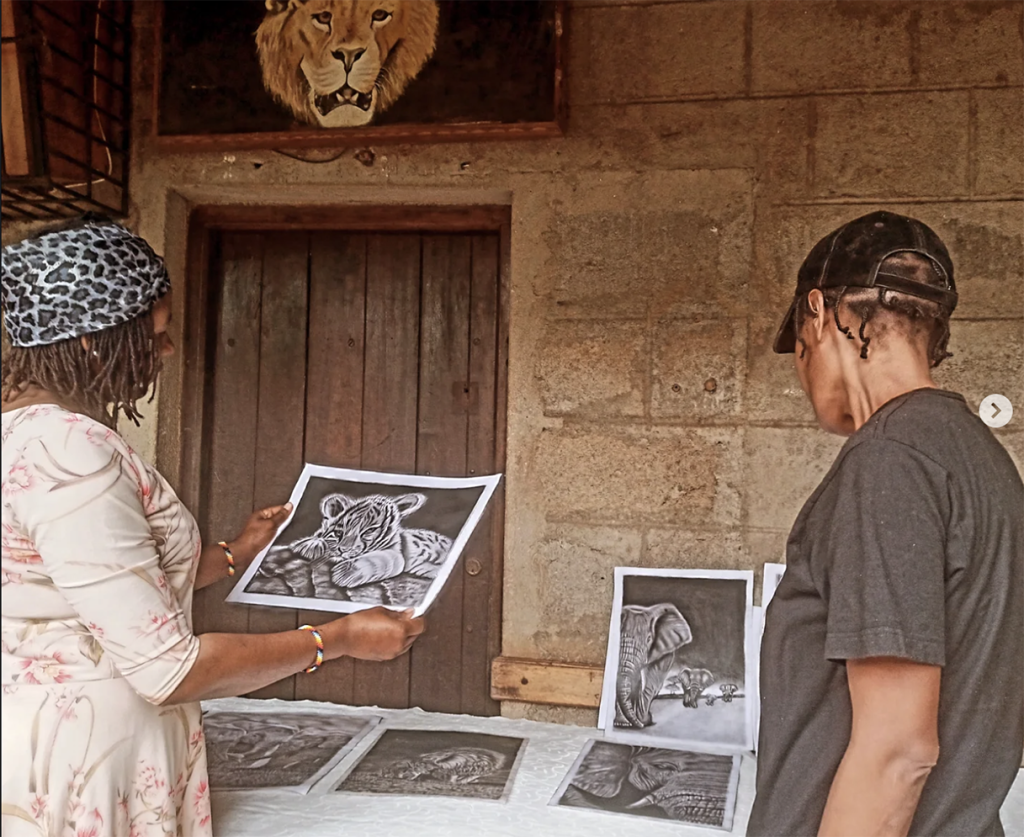

The sustainability of the tourism business in Tanzania depends on investments made in conservation. Community engagement in conservation contributes effectively to the tourism value chain and creates productive employment opportunities for many. The Community Conservation exhibition provides a space to exhibit community initiatives in conservation and share success stories with the public
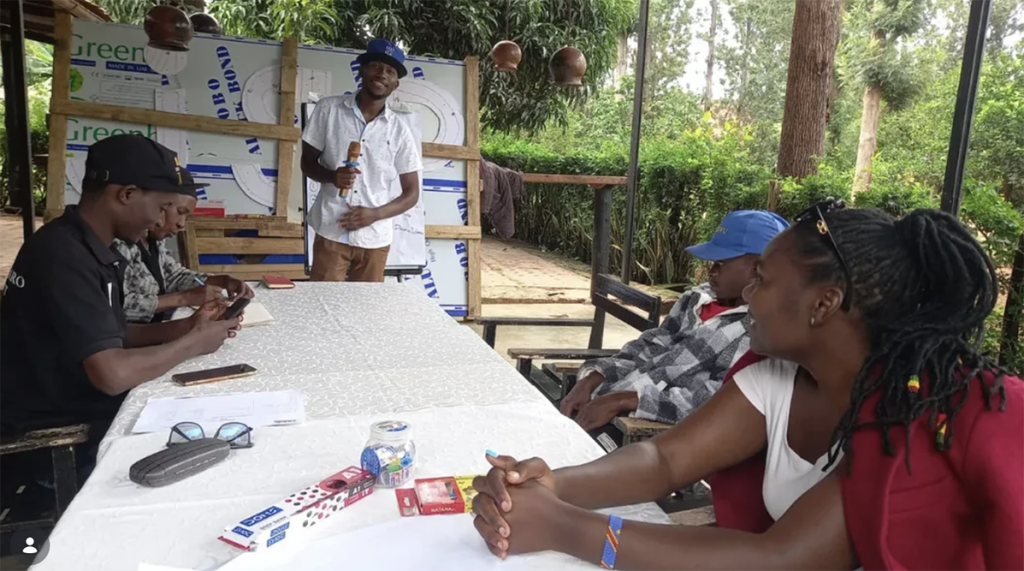
Designed to introduce children to the world of storytelling, filmmaking, and digital content creation. The program offers a practical and engaging experience where children learn directly from professionals working in film and media. Through guided activities, participants are introduced to the basic steps of creating visual stories, including developing ideas, understanding how a story is structured, using a camera, and exploring how images and scenes come together to form a film. The program encourages creativity, teamwork, and self-expression while helping children understand the process behind the films and videos, they watch every day. Voice of Children is open to young participants who are curious about storytelling and visual media, as well as those interested in creating their own content for digital platforms such as social media. By learning through practice and interaction with professionals, children gain confidence and new ways to express their ideas through visual storytelling
SimuliziKe is a part of the KFF, connecting film, feminism, tourism, and ecological awareness. It brings together artists, feminists, storytellers, and community members to highlight African women’s stories, focusing on their erasure, resilience, and rise in the creative economy. Despite the growth of African cinema, women’s stories are often missing or presented through biased perspectives, especially in Tanzania. SimuliziKe addresses this gap by creating a community-focused feminist storytelling program that sees storytelling as a crucial act of survival and healing. It celebrates women’s experiences, promotes intergenerational support and learning, and aims to uplift women’s voices at the Kilimanjaro Film Festival. The goal of SimuliziKe is to provide a platform for feminist storytelling that supports healing, cultural identity, knowledge sharing among women, and amplifies African women’s creative economies through partnerships and skill-sharing.
The film industry in Tanzania has experienced significant growth in the past 30 years, largely due to technological advancements globally. Tanzania, along with many other African countries, has benefited from these developments but remains underrepresented in the global film industry. Most films produced are consumed locally in Tanzania or within Africa, with limited reach beyond the continent. The Filming Tanzania workshop focuses on equipping Tanzanian directors and producers with the necessary skills and strategies to access global film markets, increase their capital investments, and profits using Tanzanian scenery.
Kilimanjaro Film Festival (KiliFilmFest) calls for submission from January each year.